 gres turns 60: a conversation about design, craft and legacy
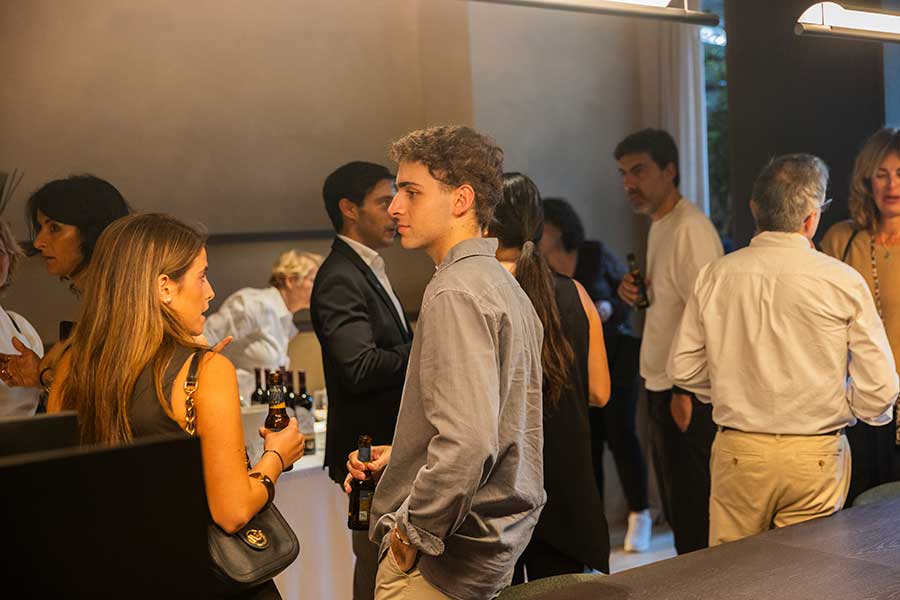
Coinciding with Feria Hábitat València, we hosted a very special gathering at our Valencia offices to celebrate Gres and its six decades of history: a conversation about the origins of the stool, its re-edition and the importance of continuing to preserve design heritage.
Three perspectives on Gres
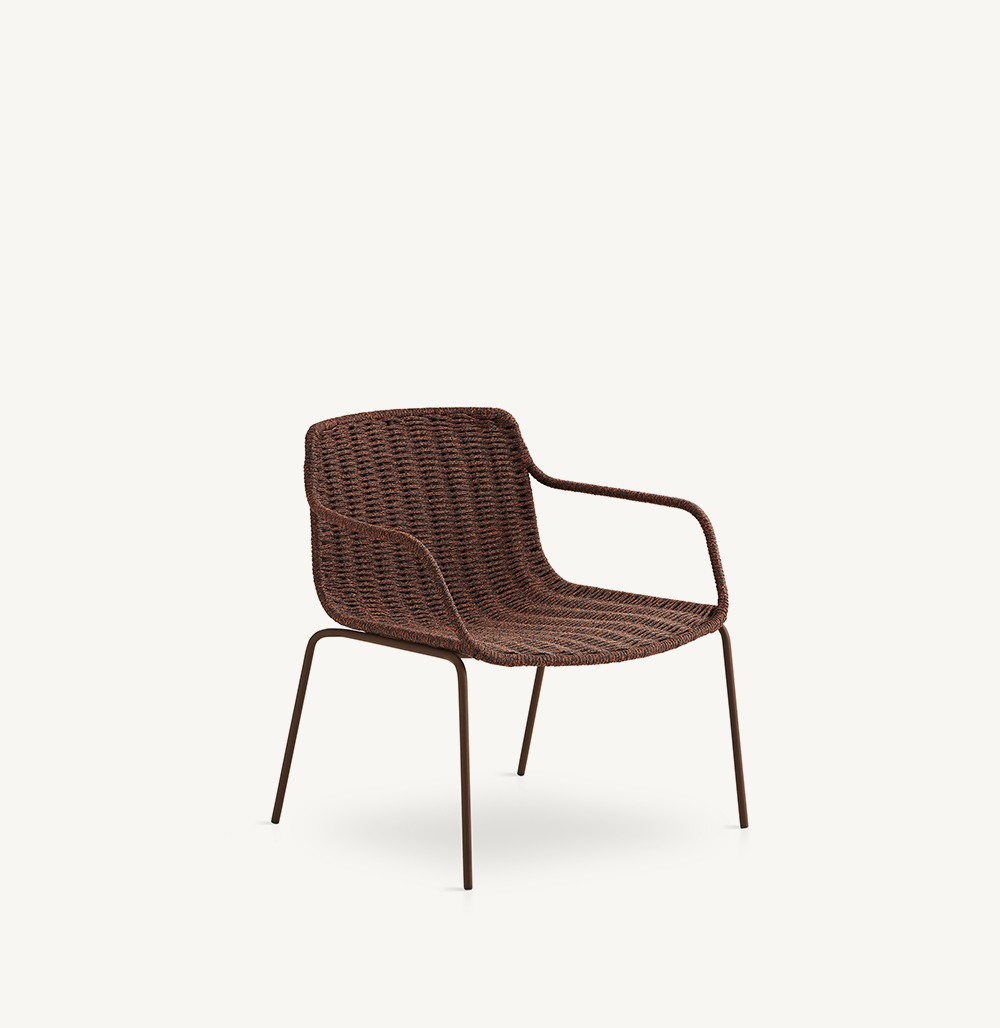
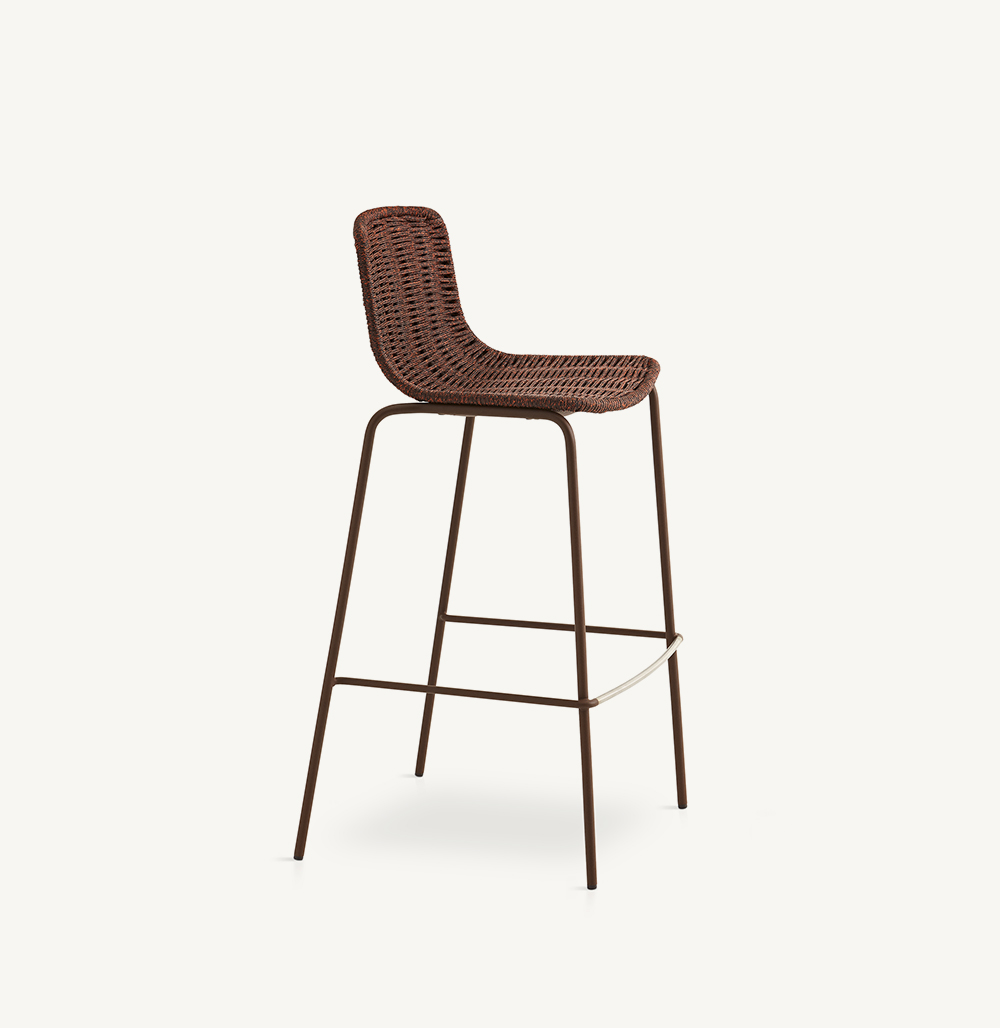
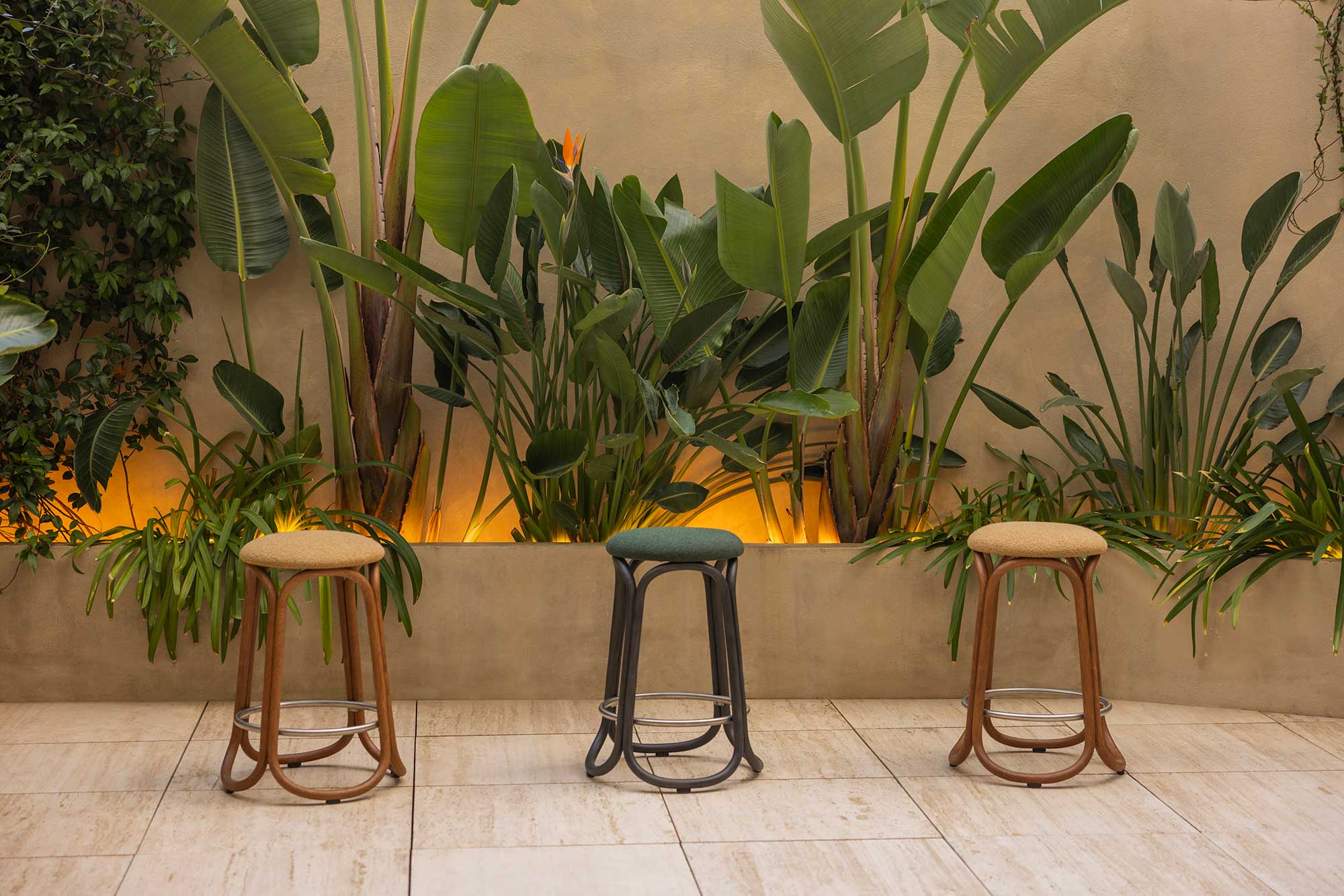
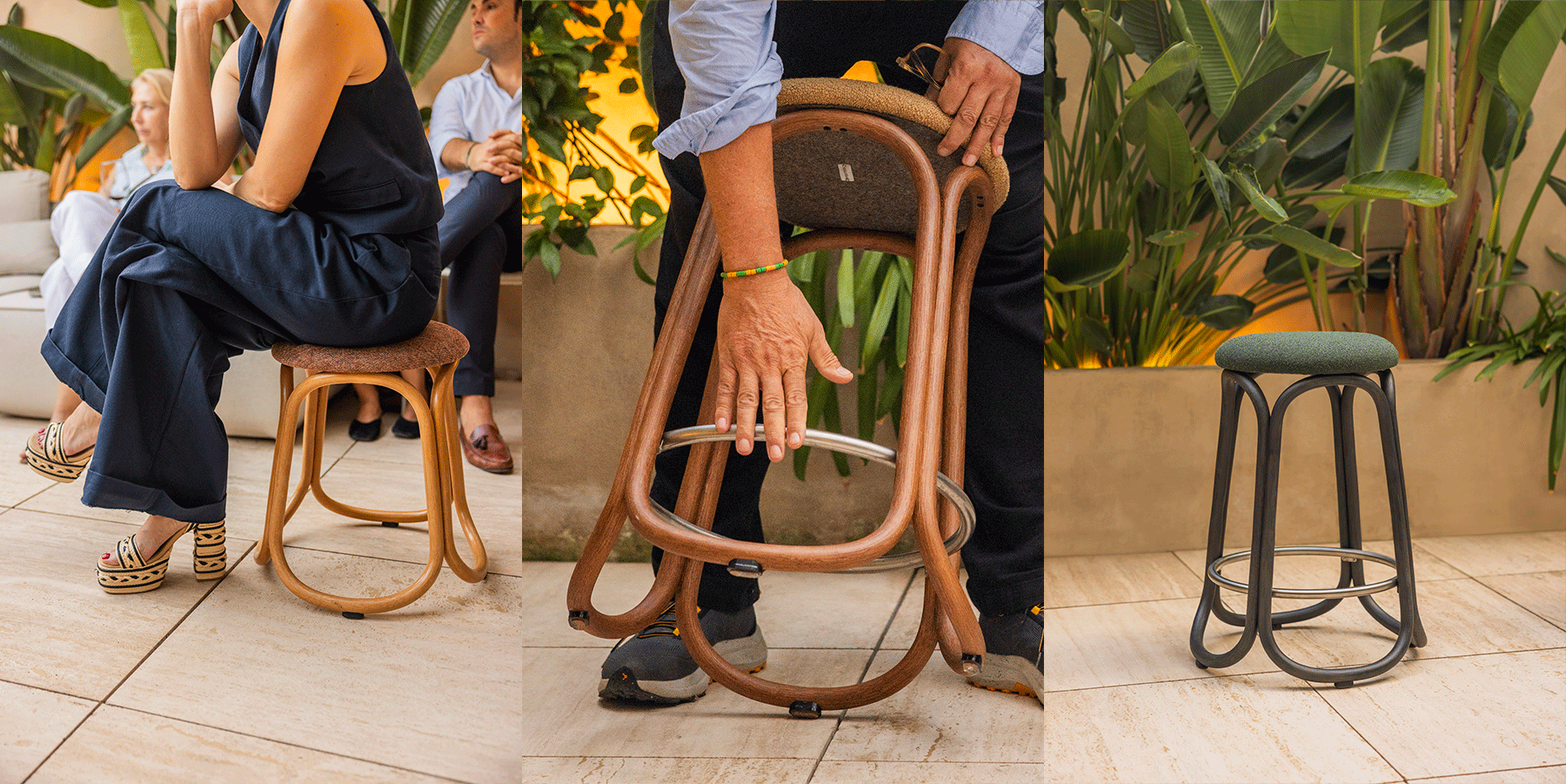
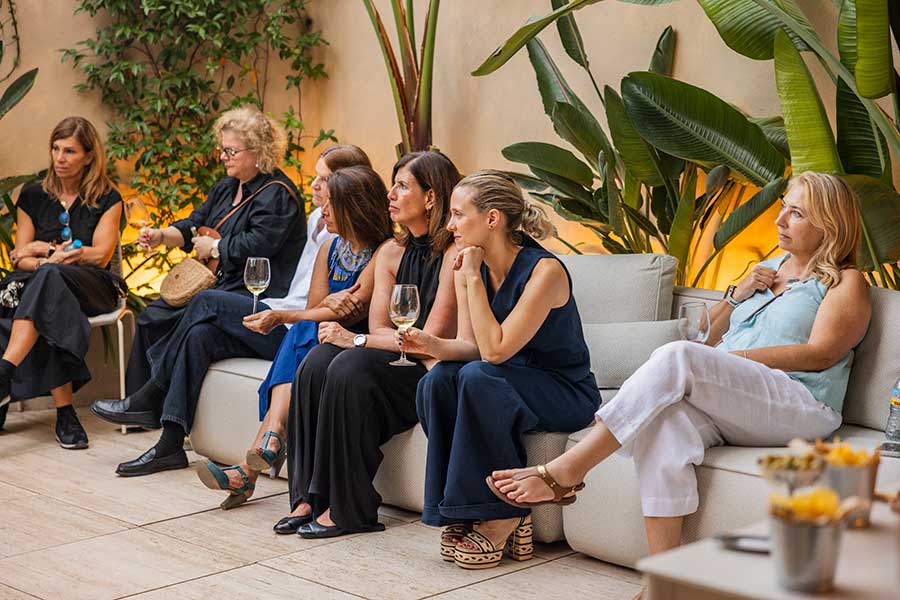
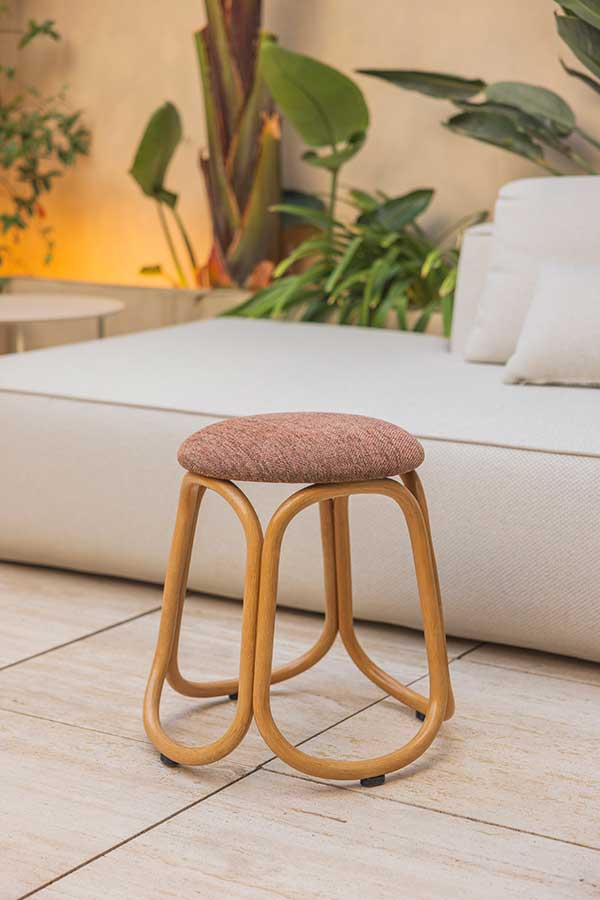
On 29 September, we opened the doors of our Valencia offices to celebrate the 60th anniversary of Gres, the rattan stool designed by Miguel Milá. Gres became the starting point for a conversation about design, memory, materials, craftsmanship and everything that allows an object to remain meaningful six decades after it was created.
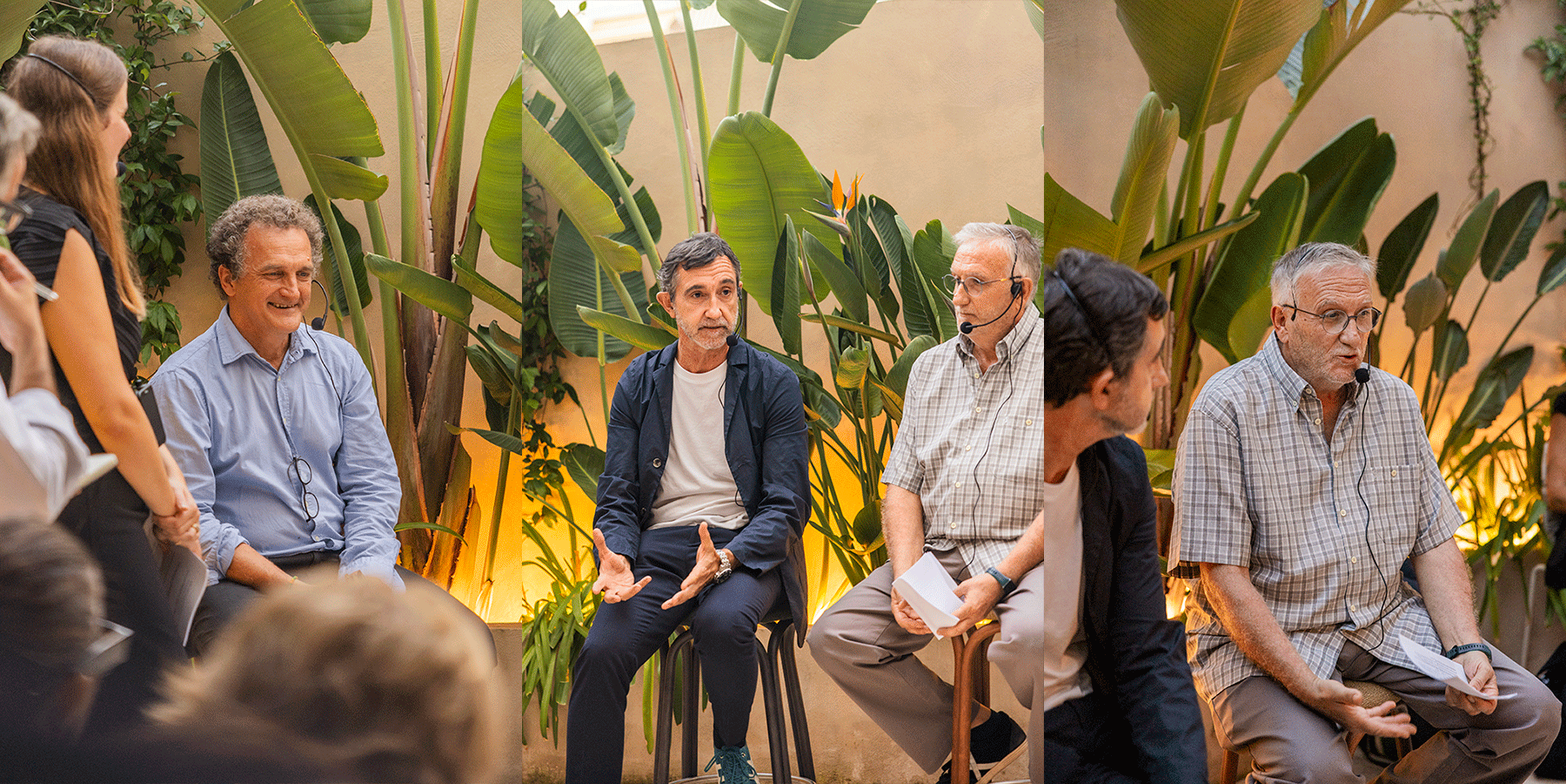
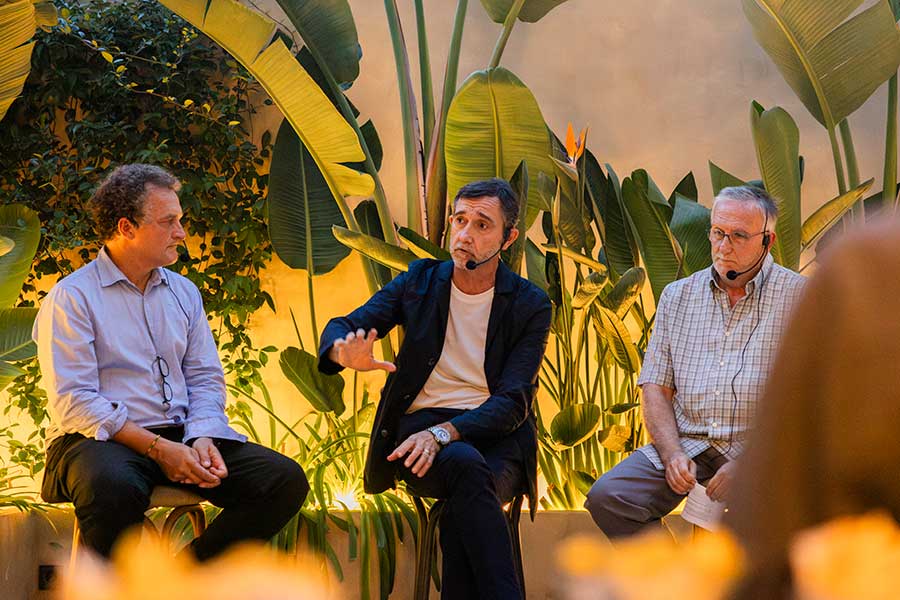
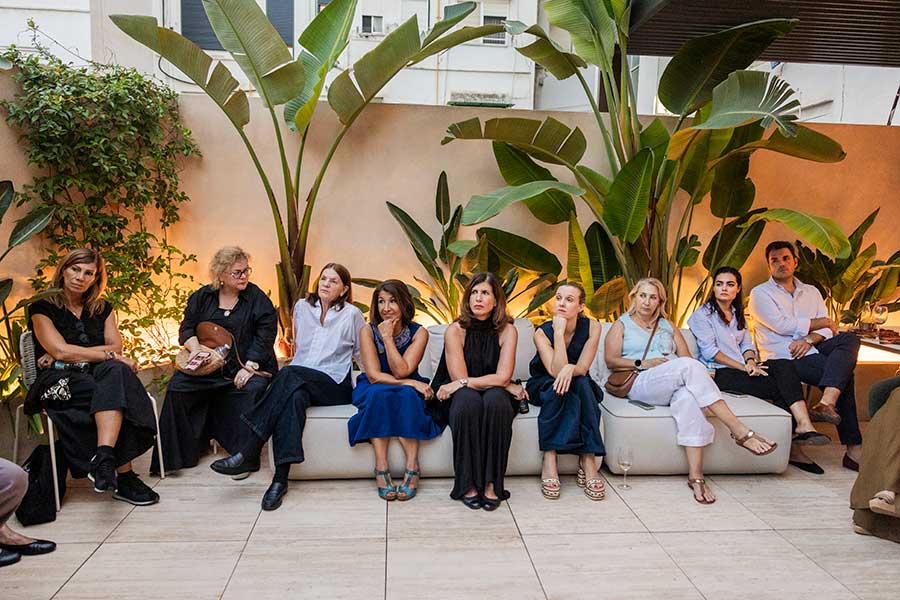
The conversation brought together Gonzalo Milá, designer and son of Miguel Milá; Manuel Lecuona, retired Professor of Design Management at the Universitat Politècnica de València; and Javier Pastor, designer, professor and researcher at the UPV, as well as a long-standing collaborator of Expormim.
Three different perspectives through which to approach the same piece and reflect, through memories and experience, on Miguel Milá’s way of understanding design, his direct relationship with materials and manufacturing processes, and his constant pursuit of simplicity and usefulness, qualities that continue to make his work so recognisable.
A craft that only endures if it is practised
During the conversation, we revisited the origins of Gres, the stool designed by a young Miguel Miláin the 1960s, and its re-edition by Expormim in 2017. We also spoke about Milá’s legacy, his pioneering role in Spanish industrial design and his early commitment to rattan, as well as what it means to take responsibility for a piece like this without betraying its spirit. The conversation naturally led to one of the subjects that matters most to us: the future of craftsmanship.
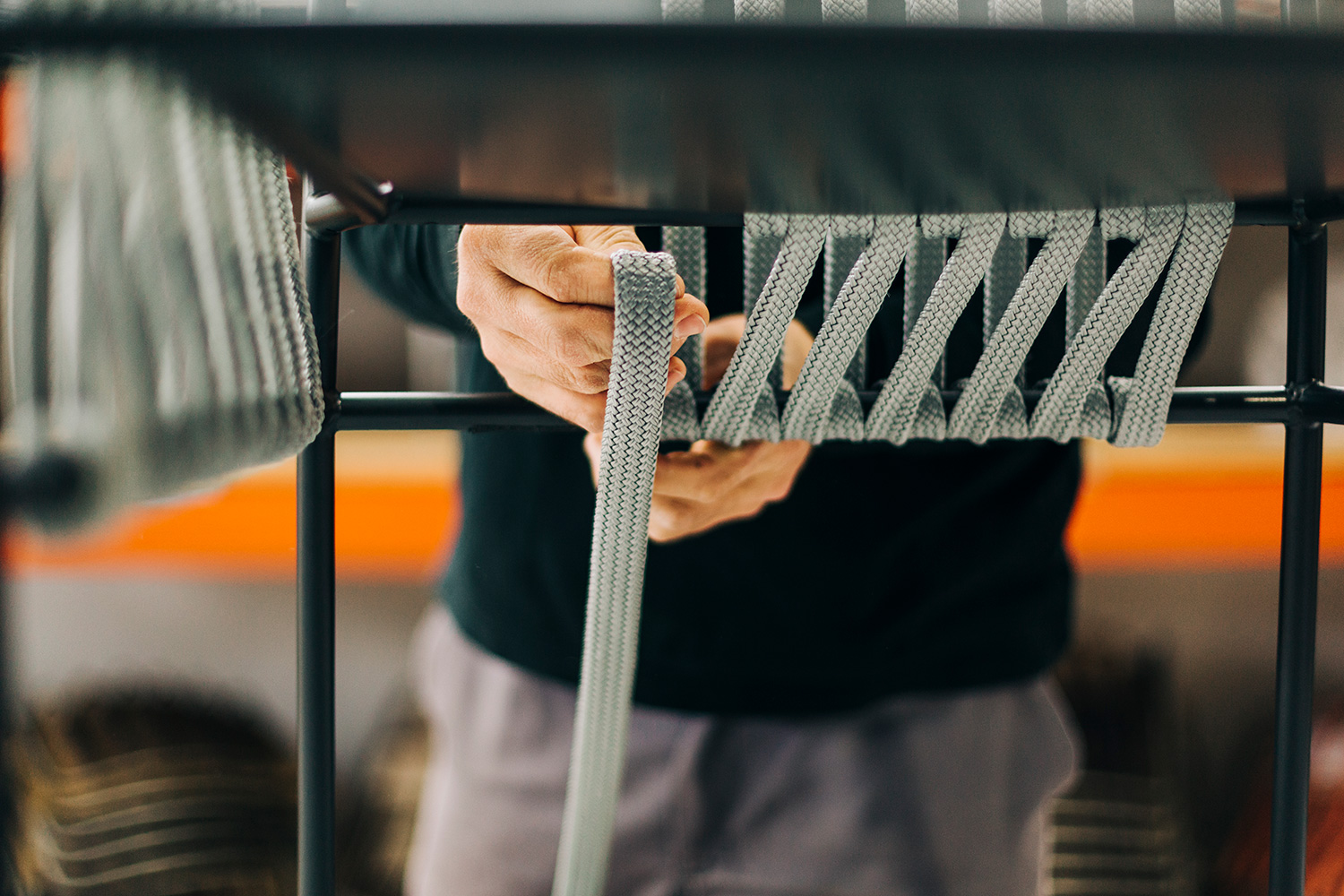
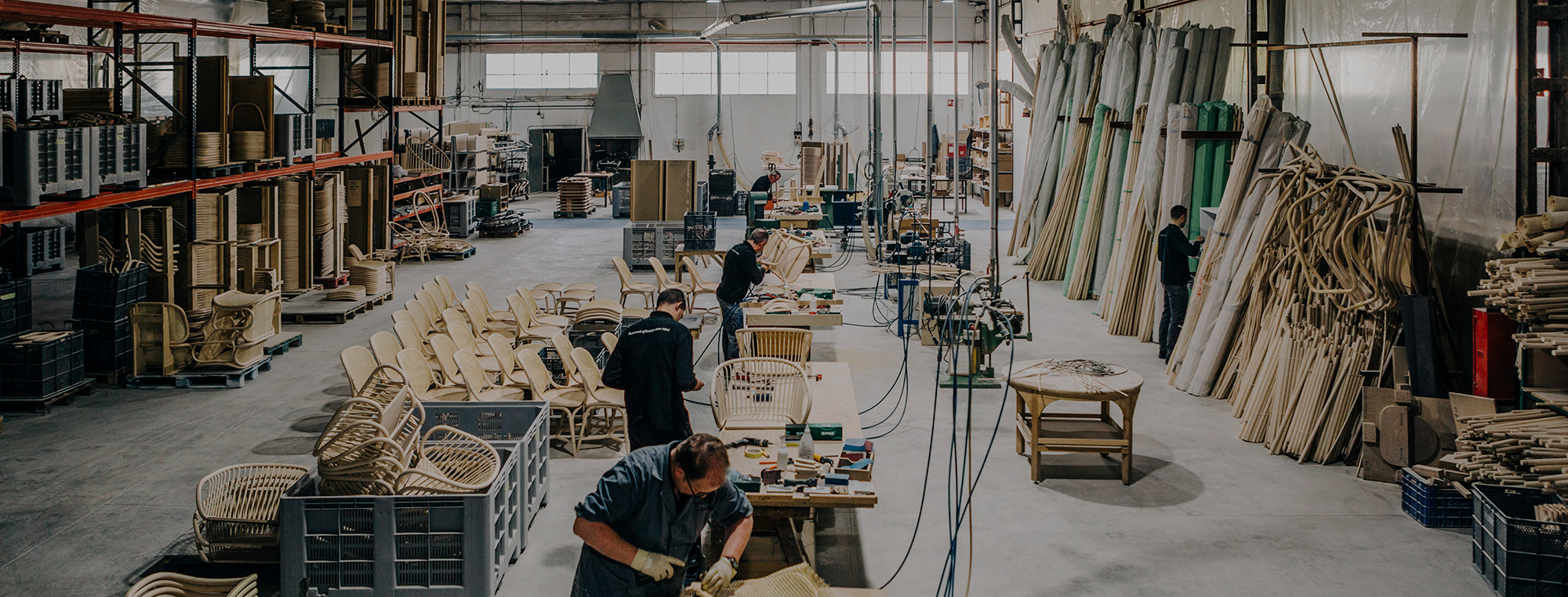
In an increasingly industrialised and technological context, preserving a craft does not mean keeping it unchanged, but allowing it to evolve without losing the knowledge, techniques and sensitivity that define it. Behind Gres are still the hands that understand how rattan behaves and know how to work with it, knowledge shaped by years of experience and learning. Keeping that know-how alive means continuing to make it part of the way we work, passing it on to new generations and giving it room to evolve.
What makes a design endure?
There may not be a single answer, but Gres shows that simplicity, functionality, quality materials and honest construction can be a very good starting point.
The conversation concluded with a reflection on the responsibility companies have when it comes to preserving design heritage: bringing pieces back with care and judgement, producing them with respect for their essence, and keeping alive the history and knowledge behind them.
Thank you to everyone who joined us for such a special afternoon. And to Gres: here’s to many more years!
Coinciding with Feria Hábitat València, we hosted a very special gathering at our Valencia offices to celebrate Gres and its six decades of history: a conversation about the origins of the stool, its re-edition and the importance of continuing to preserve design heritage.
Three perspectives on Gres
On 29 September, we opened the doors of our Valencia offices to celebrate the 60th anniversary of Gres, the rattan stool designed by Miguel Milá. Gres became the starting point for a conversation about design, memory, materials, craftsmanship and everything that allows an object to remain meaningful six decades after it was created.
The conversation brought together Gonzalo Milá, designer and son of Miguel Milá; Manuel Lecuona, retired Professor of Design Management at the Universitat Politècnica de València; and Javier Pastor, designer, professor and researcher at the UPV, as well as a long-standing collaborator of Expormim.
Three different perspectives through which to approach the same piece and reflect, through memories and experience, on Miguel Milá’s way of understanding design, his direct relationship with materials and manufacturing processes, and his constant pursuit of simplicity and usefulness, qualities that continue to make his work so recognisable.
A craft that only endures if it is practised
During the conversation, we revisited the origins of Gres, the stool designed by a young Miguel Miláin the 1960s, and its re-edition by Expormim in 2017. We also spoke about Milá’s legacy, his pioneering role in Spanish industrial design and his early commitment to rattan, as well as what it means to take responsibility for a piece like this without betraying its spirit. The conversation naturally led to one of the subjects that matters most to us: the future of craftsmanship.
In an increasingly industrialised and technological context, preserving a craft does not mean keeping it unchanged, but allowing it to evolve without losing the knowledge, techniques and sensitivity that define it. Behind Gres are still the hands that understand how rattan behaves and know how to work with it, knowledge shaped by years of experience and learning. Keeping that know-how alive means continuing to make it part of the way we work, passing it on to new generations and giving it room to evolve.
What makes a design endure?
There may not be a single answer, but Gres shows that simplicity, functionality, quality materials and honest construction can be a very good starting point.
The conversation concluded with a reflection on the responsibility companies have when it comes to preserving design heritage: bringing pieces back with care and judgement, producing them with respect for their essence, and keeping alive the history and knowledge behind them.
Thank you to everyone who joined us for such a special afternoon. And to Gres: here’s to many more years!
Coinciding with Feria Hábitat València, we hosted a very special gathering at our Valencia offices to celebrate Gres and its six decades of history: a conversation about the origins of the stool, its re-edition and the importance of continuing to preserve design heritage.
Three perspectives on Gres
On 29 September, we opened the doors of our Valencia offices to celebrate the 60th anniversary of Gres, the rattan stool designed by Miguel Milá. Gres became the starting point for a conversation about design, memory, materials, craftsmanship and everything that allows an object to remain meaningful six decades after it was created.
The conversation brought together Gonzalo Milá, designer and son of Miguel Milá; Manuel Lecuona, retired Professor of Design Management at the Universitat Politècnica de València; and Javier Pastor, designer, professor and researcher at the UPV, as well as a long-standing collaborator of Expormim.
Three different perspectives through which to approach the same piece and reflect, through memories and experience, on Miguel Milá’s way of understanding design, his direct relationship with materials and manufacturing processes, and his constant pursuit of simplicity and usefulness, qualities that continue to make his work so recognisable.
A craft that only endures if it is practised
During the conversation, we revisited the origins of Gres, the stool designed by a young Miguel Miláin the 1960s, and its re-edition by Expormim in 2017. We also spoke about Milá’s legacy, his pioneering role in Spanish industrial design and his early commitment to rattan, as well as what it means to take responsibility for a piece like this without betraying its spirit. The conversation naturally led to one of the subjects that matters most to us: the future of craftsmanship.
In an increasingly industrialised and technological context, preserving a craft does not mean keeping it unchanged, but allowing it to evolve without losing the knowledge, techniques and sensitivity that define it. Behind Gres are still the hands that understand how rattan behaves and know how to work with it, knowledge shaped by years of experience and learning. Keeping that know-how alive means continuing to make it part of the way we work, passing it on to new generations and giving it room to evolve.
gres turns 60: a conversation about design, craft and legacy
Coinciding with Feria Hábitat València, we hosted a very special gathering at our Valencia offices to celebrate Gres and its six decades of history: a conversation about the origins of the stool, its re-edition and the importance of continuing to preserve design heritage.
Three perspectives on Gres
On 29 September, we opened the doors of our Valencia offices to celebrate the 60th anniversary of Gres, the rattan stool designed by Miguel Milá. Gres became the starting point for a conversation about design, memory, materials, craftsmanship and everything that allows an object to remain meaningful six decades after it was created.
The conversation brought together Gonzalo Milá, designer and son of Miguel Milá; Manuel Lecuona, retired Professor of Design Management at the Universitat Politècnica de València; and Javier Pastor, designer, professor and researcher at the UPV, as well as a long-standing collaborator of Expormim.
Three different perspectives through which to approach the same piece and reflect, through memories and experience, on Miguel Milá’s way of understanding design, his direct relationship with materials and manufacturing processes, and his constant pursuit of simplicity and usefulness, qualities that continue to make his work so recognisable.
A craft that only endures if it is practised
During the conversation, we revisited the origins of Gres, the stool designed by a young Miguel Miláin the 1960s, and its re-edition by Expormim in 2017. We also spoke about Milá’s legacy, his pioneering role in Spanish industrial design and his early commitment to rattan, as well as what it means to take responsibility for a piece like this without betraying its spirit. The conversation naturally led to one of the subjects that matters most to us: the future of craftsmanship.
In an increasingly industrialised and technological context, preserving a craft does not mean keeping it unchanged, but allowing it to evolve without losing the knowledge, techniques and sensitivity that define it. Behind Gres are still the hands that understand how rattan behaves and know how to work with it, knowledge shaped by years of experience and learning. Keeping that know-how alive means continuing to make it part of the way we work, passing it on to new generations and giving it room to evolve.
What makes a design endure?
There may not be a single answer, but Gres shows that simplicity, functionality, quality materials and honest construction can be a very good starting point.
The conversation concluded with a reflection on the responsibility companies have when it comes to preserving design heritage: bringing pieces back with care and judgement, producing them with respect for their essence, and keeping alive the history and knowledge behind them.
Thank you to everyone who joined us for such a special afternoon. And to Gres: here’s to many more years!
Coinciding with Feria Hábitat València, we hosted a very special gathering at our Valencia offices to celebrate Gres and its six decades of history: a conversation about the origins of the stool, its re-edition and the importance of continuing to preserve design heritage.
Three perspectives on Gres
On 29 September, we opened the doors of our Valencia offices to celebrate the 60th anniversary of Gres, the rattan stool designed by Miguel Milá. Gres became the starting point for a conversation about design, memory, materials, craftsmanship and everything that allows an object to remain meaningful six decades after it was created.
The conversation brought together Gonzalo Milá, designer and son of Miguel Milá; Manuel Lecuona, retired Professor of Design Management at the Universitat Politècnica de València; and Javier Pastor, designer, professor and researcher at the UPV, as well as a long-standing collaborator of Expormim.
Three different perspectives through which to approach the same piece and reflect, through memories and experience, on Miguel Milá’s way of understanding design, his direct relationship with materials and manufacturing processes, and his constant pursuit of simplicity and usefulness, qualities that continue to make his work so recognisable.
A craft that only endures if it is practised
During the conversation, we revisited the origins of Gres, the stool designed by a young Miguel Miláin the 1960s, and its re-edition by Expormim in 2017. We also spoke about Milá’s legacy, his pioneering role in Spanish industrial design and his early commitment to rattan, as well as what it means to take responsibility for a piece like this without betraying its spirit. The conversation naturally led to one of the subjects that matters most to us: the future of craftsmanship.
In an increasingly industrialised and technological context, preserving a craft does not mean keeping it unchanged, but allowing it to evolve without losing the knowledge, techniques and sensitivity that define it. Behind Gres are still the hands that understand how rattan behaves and know how to work with it, knowledge shaped by years of experience and learning. Keeping that know-how alive means continuing to make it part of the way we work, passing it on to new generations and giving it room to evolve.
What makes a design endure?
There may not be a single answer, but Gres shows that simplicity, functionality, quality materials and honest construction can be a very good starting point.
The conversation concluded with a reflection on the responsibility companies have when it comes to preserving design heritage: bringing pieces back with care and judgement, producing them with respect for their essence, and keeping alive the history and knowledge behind them.
Thank you to everyone who joined us for such a special afternoon. And to Gres: here’s to many more years!
Coinciding with Feria Hábitat València, we hosted a very special gathering at our Valencia offices to celebrate Gres and its six decades of history: a conversation about the origins of the stool, its re-edition and the importance of continuing to preserve design heritage.
Three perspectives on Gres
On 29 September, we opened the doors of our Valencia offices to celebrate the 60th anniversary of Gres, the rattan stool designed by Miguel Milá. Gres became the starting point for a conversation about design, memory, materials, craftsmanship and everything that allows an object to remain meaningful six decades after it was created.
The conversation brought together Gonzalo Milá, designer and son of Miguel Milá; Manuel Lecuona, retired Professor of Design Management at the Universitat Politècnica de València; and Javier Pastor, designer, professor and researcher at the UPV, as well as a long-standing collaborator of Expormim.
Three different perspectives through which to approach the same piece and reflect, through memories and experience, on Miguel Milá’s way of understanding design, his direct relationship with materials and manufacturing processes, and his constant pursuit of simplicity and usefulness, qualities that continue to make his work so recognisable.
A craft that only endures if it is practised
During the conversation, we revisited the origins of Gres, the stool designed by a young Miguel Miláin the 1960s, and its re-edition by Expormim in 2017. We also spoke about Milá’s legacy, his pioneering role in Spanish industrial design and his early commitment to rattan, as well as what it means to take responsibility for a piece like this without betraying its spirit. The conversation naturally led to one of the subjects that matters most to us: the future of craftsmanship.
In an increasingly industrialised and technological context, preserving a craft does not mean keeping it unchanged, but allowing it to evolve without losing the knowledge, techniques and sensitivity that define it. Behind Gres are still the hands that understand how rattan behaves and know how to work with it, knowledge shaped by years of experience and learning. Keeping that know-how alive means continuing to make it part of the way we work, passing it on to new generations and giving it room to evolve.